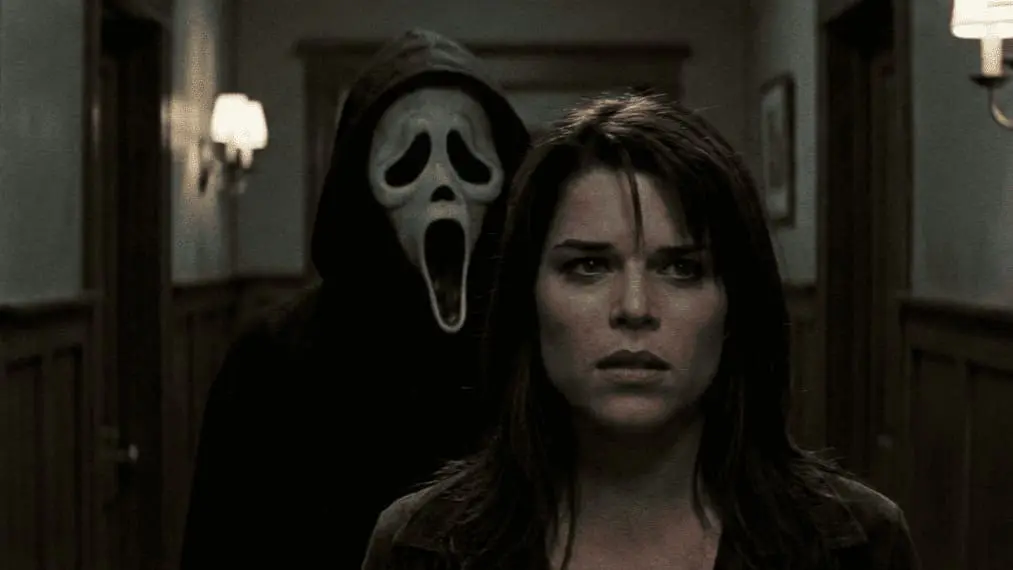
The masked killers return for one final, brutal confrontation in The Strangers: Chapter 3, the concluding entry in director Renny Harlin’s ambitious horror trilogy. After surviving two nightmarish encounters with the enigmatic masked assailants, Madelaine Petsch’s Maya faces her tormentors in what promises to be the franchise’s darkest and most psychologically complex installment yet. Opening in theaters on February 6, 2026, this finale represents a bold attempt to redeem a trilogy that has struggled with critical reception while maintaining commercial viability.
As the fifth film in The Strangers franchise overall, Chapter 3 carries the weight of bringing closure to a narrative that began with Bryan Bertino’s 2008 cult classic. With substantial reshoots informed by audience feedback and a unique production approach that filmed all three entries consecutively, this final chapter seeks to elevate the trilogy beyond its troubled reputation.
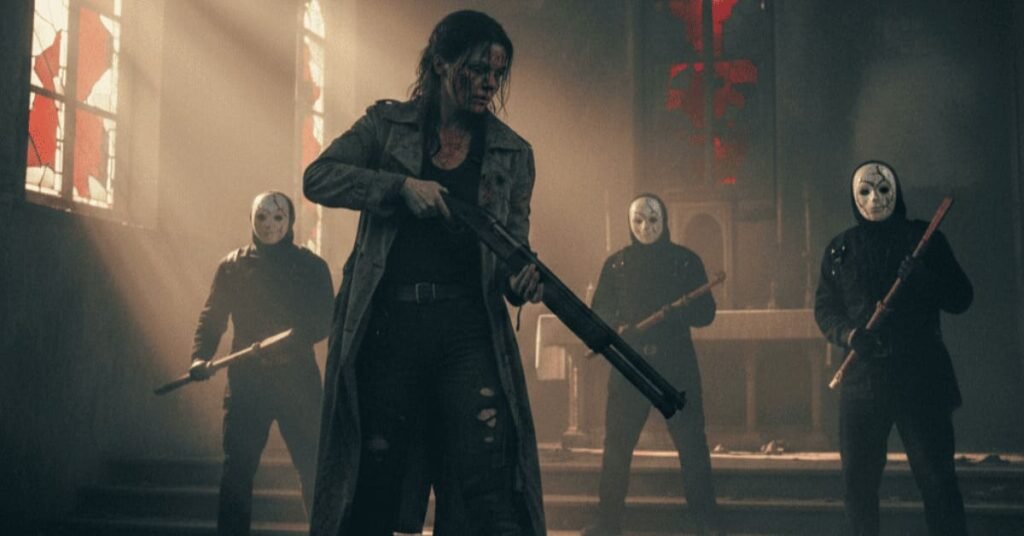
Table of Contents
Overview and Genre Context
The Strangers: Chapter 3 operates within the home invasion horror subgenre while expanding into psychological thriller territory. Directed by Finnish filmmaker Renny Harlin, known for action-heavy features like Die Hard 2 and Deep Blue Sea, the film represents a departure into intimate, character-driven horror. Written by Alan R. Cohen and Alan Freedland, the screenplay attempts to balance the random violence that defined the original with deeper emotional resonance and backstory elements that previous entries deliberately avoided.
The film maintains its R rating with strong bloody violence and language, positioning itself as counter-programming for audiences seeking intense horror experiences during the typically romance-focused February release window. Distributed by Lionsgate, Chapter 3 follows an unconventional trilogy structure where all three films were shot simultaneously in Bratislava, Slovakia between September and November 2022, with extensive additional photography conducted in 2025 to incorporate viewer reactions from the first installment.
Plot Summary and Narrative Structure
Spoiler-Free Overview
Following the traumatic events of Chapters 1 and 2, Maya finds herself as the sole survivor of multiple encounters with the Strangers. Attempting to escape Venus County on foot, having lost all trust in local authorities, she discovers that the nightmare is far from over. The masked killers pursue her relentlessly, leading to a confrontational showdown that forces Maya to confront not only her tormentors but also the psychological damage inflicted by her ordeal.
The tagline “the only way out of the nightmare is in” suggests a narrative shift where Maya must engage more directly with the Strangers rather than simply fleeing. Marketing materials prominently feature imagery of Maya wearing the Pin-Up Girl mask, hinting at a disturbing blurring of boundaries between victim and aggressor.
Detailed Analysis (Contains Spoilers)
Chapter 3 diverges from its predecessors by providing context for the Strangers while maintaining their essential mystery. The revelation that Shelly, a waitress at Carol’s Diner portrayed by Ema Horvath, is actually Pin-Up Girl adds layers of deception to the trilogy’s mythology. Maya’s kill of this character represents a turning point where the traditional final girl archetype transforms into something more morally complex.
The film explores Maya’s psychological deterioration across the trilogy’s extended runtime, with Harlin describing the project as “one character journey” spanning approximately four and a half hours when viewed consecutively. The narrative deliberately avoids genre escalation, instead pulling inward to examine trauma, identity dissolution, and the uncomfortable proximity between victim and captor.
According to director Renny Harlin, the ending deliberately includes a cliffhanger reminiscent of the original 2008 film’s conclusion, potentially setting up future franchise installments despite this trilogy reaching its narrative completion.
Cast and Performances
Madelaine Petsch as Maya
Petsch, best known for her role as Cheryl Blossom in The CW’s Riverdale, delivers a physically demanding performance that tracks Maya’s transformation from vulnerable victim to hardened survivor. The actress described one particular sequence in Chapter 3 as potentially the best work she’s ever captured on film. Her commitment to the role included filming multiple entries simultaneously, often shooting scenes for different chapters within the same day while maintaining emotional continuity across the extended narrative arc.
The role requires Petsch to convey extreme physical and psychological trauma while maintaining audience empathy as Maya’s moral compass becomes increasingly compromised. Her willingness to engage with the trilogy’s poor critical reception demonstrates professional maturity, acknowledging the negative feedback while focusing on personal performance standards.
Supporting Cast
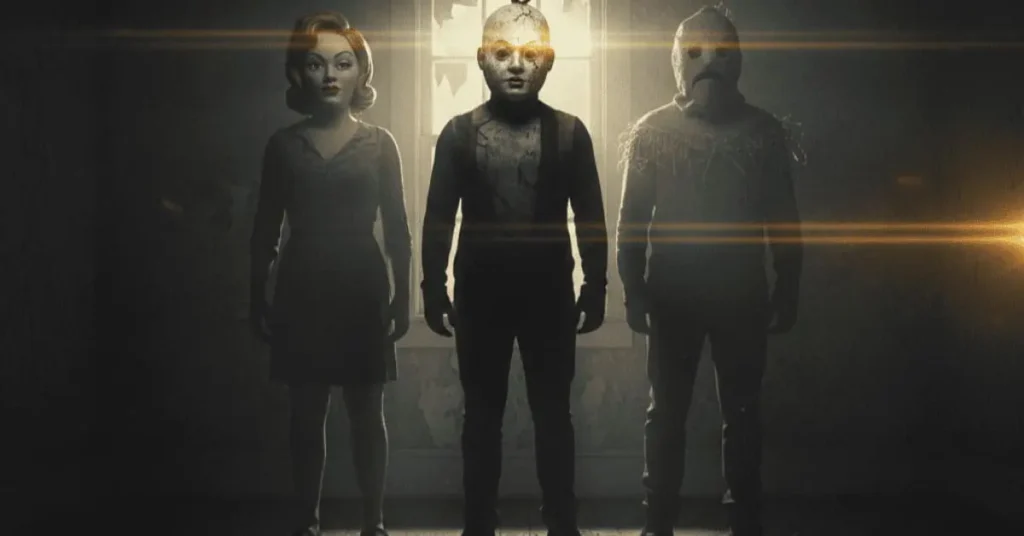
Gabriel Basso returns as Gregory, providing a connection to Maya’s journey and serving as a grounding presence amid the chaos. Ema Horvath delivers a dual-layered performance as Shelly, the seemingly innocent waitress who conceals a sinister identity as one of the masked Strangers. Richard Brake, a genre veteran from films like Barbarian, portrays Sheriff Rotter, representing institutional authority that proves ineffective or complicit in the violence.
Additional cast members include Rachel Shenton as Debbie Lucas, George Young as Howard, and Kyle Breitkopf in flashback sequences as the teenage Scarecrow character, suggesting deeper backstory exploration for the masked antagonists.
Director and Production Insights
Renny Harlin’s Vision
Harlin approached the trilogy as a singular filmmaking opportunity rather than three discrete projects. His previous work on A Nightmare on Elm Street 4 informed his philosophy for Chapter 3, where antagonist defeat comes from internal psychological collapse rather than external force. This thinking shaped the finale’s emphasis on intimacy over spectacle, focusing on controlled tension rather than escalating violence for its own sake.
The director emphasized the challenge of emotional mapping across the extended runtime, deliberately avoiding constant intensity to allow breathing room for character development. His statement that the film is “more quiet and intimate and controlled” contradicts typical trilogy finale expectations, suggesting a concluding entry more concerned with psychological horror than body count escalation.
Production History and Reshoots
Principal photography on all three films occurred simultaneously between September and November 2022 in Bratislava, Slovakia. This unprecedented approach allowed for narrative cohesion but created unique challenges, with actors filming scenes from different entries within single shooting days while commuting between multiple locations.
Following the release of Chapter 1 in May 2024 and its mixed reception, the production team conducted extensive additional photography in March and April 2025. Three weeks of these reshoots specifically addressed Chapter 3, reworking elements based on audience feedback. This responsive approach demonstrates the studio’s commitment to course-correction while working within the constraints of a pre-filmed trilogy.
Cinematography and Visual Approach
Chapter 3 maintains the trilogy’s commitment to atmospheric tension over jump scares, utilizing the Slovakian filming locations to create an isolated, claustrophobic environment despite outdoor settings. The cinematography embraces natural lighting and practical effects, avoiding the over-stylization that has plagued recent horror releases. The decision to film across multiple Eastern European locations provides authentic texture that digital environments cannot replicate.
The recurring imagery of Maya wearing the Pin-Up Girl mask represents the film’s visual metaphor for identity erosion. This motif appears throughout marketing materials and allegedly plays a significant role in the narrative’s psychological examination of victimhood and survival. The use of churches, diners, and rural landscapes creates visual continuity with the franchise’s established iconography while expanding the geographical scope beyond single-location claustrophobia.
Themes and Symbolism Analysis
Victim-to-Aggressor Transformation
The trilogy’s central thematic concern involves Maya’s psychological journey from innocent victim to someone capable of violence. Harlin describes this arc as exploring whether Maya is “horrified” by wearing the mask or if “there’s a side of her where the line between good and bad is getting obscured.” This moral ambiguity challenges traditional final girl narratives where survival never compromises fundamental decency.
Randomness Versus Meaning
The Strangers franchise built its reputation on motiveless violence, epitomized by the original film’s chilling answer to “Why are you doing this to us?” – “Because you were home.” Chapter 3 attempts to reconcile this randomness with audience expectations for narrative payoff, providing “markers” and backstory elements without fully explaining the Strangers’ psychology. This delicate balance risks undermining the franchise’s philosophical foundation while satisfying viewer demands for coherence.
Trauma and Endurance
By structuring the trilogy as one extended character study, Harlin examines how repeated trauma fundamentally alters personality and behavior. Maya’s transformation reflects realistic psychological consequences rather than heroic resilience, acknowledging that survival often comes with permanent damage to one’s sense of self and morality.
Critical Reception and Audience Reviews
Pre-Release Context
Chapter 3 faces the considerable challenge of redeeming a trilogy with poor critical standing. The Strangers: Chapter 1 holds a 21% score on Rotten Tomatoes, while Chapter 2 performed even worse with a 15% rating based on 74 reviews. Critics identified weak characterization, repetitive plotting, and overreliance on iconography from the 2008 original as primary failings. The second installment’s poor reception created low expectations for the finale, though some reviewers noted it as “more rewatchable” than its immediate predecessor.
Box Office Performance
Despite critical rejection, Chapter 2 demonstrated commercial viability, earning more than $21.8 million against the trilogy’s shared $8.5 million production budget. This financial success justified the continuation of the trilogy and suggests an audience disconnect from critical consensus. The February 6, 2026 release date positions Chapter 3 in the increasingly lucrative early-year horror window, where films like M3GAN have found unexpected success.
Early box office projections remain unavailable as the film approaches its theatrical release, though the trilogy’s established audience base and relatively modest budget suggest financial success remains achievable regardless of critical reception.
Multiple sources indicate that critics and audiences view the second chapter as “a mess” with “poor characterization, repetitive plot, and weak tension.” Chapter 3 carries significant pressure to provide a satisfying conclusion that justifies the trilogy’s existence.
Comparison to Previous Installments
Evolution from the 2008 Original
Bryan Bertino’s 2008 The Strangers achieved cult status through minimalist execution and atmospheric dread, earning $82 million worldwide despite its modest budget. The new trilogy attempts to expand this concept while maintaining core elements like the iconic masks and motiveless violence. However, critics argue that this expansion dilutes what made the original effective—its simplicity and refusal to explain or contextualize the horror.
Distinguishing Chapter 3 from Chapters 1 and 2
Where Chapter 1 functioned as a near-remake of the 2008 film and Chapter 2 expanded the scope without developing the characters, Chapter 3 reportedly attempts genuine psychological depth. The shift from external threat to internal moral crisis represents a substantive departure from slasher formula, though whether this translates to effective horror remains subject to critical assessment.
The simultaneous filming approach created tonal consistency across all three entries, preventing the stylistic drift that plagues many horror trilogies. However, this uniformity may also limit each film’s ability to offer distinct experiences beyond incremental plot progression.
Expert Analysis: Cinematic Techniques and Narrative Structure
Harlin’s decision to treat the trilogy as a single four-and-a-half-hour narrative represents an interesting experiment in franchise filmmaking. This approach allows for character development typically impossible in standalone horror films, creating space for gradual psychological deterioration that mirrors the slow-burn tension of prestige television. The economic realities of horror production made this ambitious scope financially viable in ways it wouldn’t be for larger-budget genres.
The film’s reliance on practical effects and location shooting reflects a growing counter-trend in horror away from CGI-heavy spectacle. This aesthetic choice grounds the violence in physical reality, enhancing visceral impact while avoiding the artificiality that undermines tension in digitally-heavy productions.
Narratively, the trilogy’s structure follows a trauma-processing arc rather than traditional horror escalation. Each entry examines a different phase of Maya’s response—shock and survival in Chapter 1, desperate escape in Chapter 2, and confrontational reckoning in Chapter 3. This psychological framework elevates the material beyond simple kill sequences, though execution quality determines whether this ambition succeeds.
Memorable Scenes and Moments
Marketing materials prominently feature a church sequence where Maya, covered in blood, encounters Gregory. This visual—combining religious imagery with extreme violence—suggests the film’s thematic interest in moral corruption and lost innocence. The juxtaposition of sacred space with profane violence has horror precedent in films like The Exorcist and Carrie, tapping into deep-seated cultural anxieties about sanctuary violation.
The repeated imagery of Maya wearing the Pin-Up Girl mask appears designed as the trilogy’s defining visual, representing her complete psychological transformation. Whether this moment reads as empowerment, tragic corruption, or forced survival will likely determine individual viewer interpretations of the trilogy’s success.
Petsch’s comments about filming what might be her career-best scene suggest at least one sequence achieves the emotional intensity and technical execution necessary for memorable horror cinema, though specifics remain embargoed until theatrical release.
Common Misinterpretations
Many viewers interpret the trilogy as a direct remake or reboot of the 2008 original, when it actually functions as a standalone continuation set within the same universe. The films share the concept of masked home invaders but feature entirely different characters and scenarios, with only thematic and iconographic connections to Bryan Bertino’s original vision.
The marketing emphasis on Maya wearing the Pin-Up Girl mask has led to speculation that she becomes one of the Strangers, joining their ranks as a willing participant in violence. However, director statements suggest this imagery represents psychological trauma and identity crisis rather than literal recruitment, exploring the uncomfortable question of how much victims must become like their tormentors to survive.
Some audiences expect the trilogy to explain the Strangers’ motivations and identities definitively. While Chapter 3 provides more context than previous entries, Harlin has indicated the films deliberately maintain core mystery elements, offering “markers” rather than comprehensive backstory. Viewers seeking complete narrative closure may find this approach frustrating.
Awards and Recognition Prospects
Genre films rarely receive mainstream awards attention, and the trilogy’s poor critical reception makes traditional recognition unlikely. However, the horror community maintains its own awards ecosystem through publications like Fangoria and genre-specific festivals. Petsch’s committed performance and the trilogy’s ambitious scope could earn recognition within these specialized circles, particularly if Chapter 3 exceeds expectations and retroactively improves perception of the overall project.
Technical categories like makeup effects and production design represent the most realistic award opportunities, given the franchise’s iconic mask design and commitment to practical effects work. The Strangers’ visual branding has achieved cultural penetration beyond the films’ quality, suggesting design excellence that merits specialized recognition.
The Future of The Strangers Franchise
Despite billing Chapter 3 as the trilogy’s conclusion, director Harlin has acknowledged that the ending includes a cliffhanger designed to “homage the final scene of the original film” while potentially establishing further installments. This suggests commercial considerations may override narrative closure, leaving the door open for franchise continuation if box office performance justifies additional entries.
The original 2008 film spawned a 2018 sequel, The Strangers: Prey at Night, after a decade-long gap, demonstrating the franchise’s resilience and the enduring appeal of its central concept. If Chapter 3 successfully rehabilitates the trilogy’s reputation, studio interest in additional films becomes substantially more likely, particularly given horror’s reliable profitability in the current theatrical landscape.
The franchise’s future may also involve streaming extensions, spin-offs focusing on the masked killers’ perspective, or anthology approaches featuring different victims and locations. The core concept’s simplicity and iconic visual branding provide flexibility for creative expansion beyond Maya’s story arc.
Conclusion
The Strangers: Chapter 3 arrives with the challenging mandate of redeeming a critically maligned trilogy while providing satisfying closure to Maya’s extended ordeal. Director Renny Harlin’s emphasis on psychological intimacy over spectacle represents a bold creative choice that distinguishes the finale from typical horror trilogy conclusions. Whether this approach successfully elevates the material or further alienates audiences seeking traditional slasher satisfaction remains the central question surrounding the film’s theatrical release.
Madelaine Petsch’s committed performance across the trilogy demonstrates the potential for genuine character development within horror frameworks, challenging the genre’s tendency toward interchangeable protagonists. The simultaneous filming approach created unique narrative cohesion while allowing responsive reshoots based on audience feedback, representing an innovative production model that may influence future franchise planning.
For horror enthusiasts willing to engage with the trilogy as a singular extended narrative rather than three discrete films, Chapter 3 offers the promise of thematic depth and psychological complexity rarely attempted in mainstream horror. Casual viewers seeking straightforward scares may find the film’s introspective approach unsatisfying, highlighting the inherent tension between artistic ambition and commercial genre expectations.
The Strangers: Chapter 3 opens exclusively in theaters on February 6, 2026, distributed by Lionsgate. Whether it successfully concludes one of horror’s most polarizing recent trilogies will be determined by audiences willing to give the franchise one final chance to justify its existence.